

User login
Connect with Greenhorn: 


Find
what you need
faster!
what you need
faster!
 Resources
 Events
 Feed
Feed Job Board
 Students
 Boston has a habit of being a cynical town. We love our hard data and empirical proof. We sometimes dwell more on what's not working than what does. This can often help improve your product, your environment or yourself, but as Rob May so accutely noted, it can be even more beneficial to push harder on what is working.
 In startups, it's all about the team. Ideas change, business models change and even roles can change, but the hope is that you can build a core team that is lasting. From the first step of finding a good co-founder to adding key members to your early team, it's a good idea to have a framework for what you're looking for. What I look for are the 3 C's: Chemistry, Competence and Customer Focus.
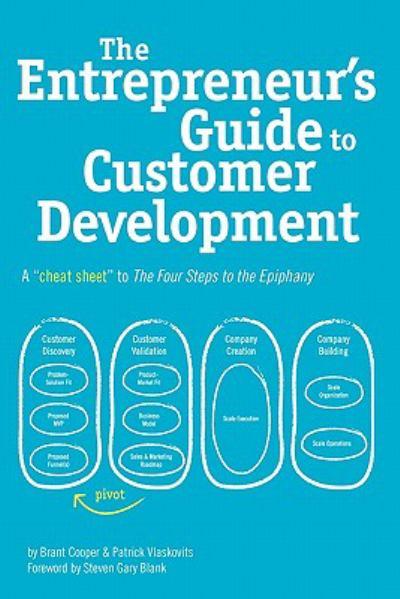 Running a startup puts a ton of responsibilities on your plate. From marketing to sales, ghetto-HR to accounting, development to project management, you're wearing a million hats. We all know that Lean Startups methodology and customer development are important, but *actually practicing* it can be hard (if you're not familiar run to CustDev.com *right now* and get Brant and Patrick's book The Entrepreneur's Guide to Customer Development ASAP!).
Browse these next
- Trang Cá độ Bóng đá
- Casino Senza Invio Documenti
- Online Casino Bitcoin Malaysia
- Lista Casino Online Non AAMS
- Slots Non AAMS
- Migliori Casino Non AAMS
- Migliori Casino Online Non AAMS
- Siti Casino Non AAMS
- Bookmaker
- Casino Fiable En Ligne
- Meilleur Casino En Ligne
- Casino En Ligne Neosurf
- Casinò Non Aams
- Casino Sicuri Non AAMS
- Casino Non Aams
- Migliori Casino Online
- Nouveau Casino En Ligne
- Casino En Ligne Argent Réel
- Casino En Ligne Fiable
- Migliori App Poker
- Casinò Non Aams
- Casino En Ligne Francais