









 Ten months ago, I moved to Boston to attend Emerson College as a creative writing M.F.A. candidate with focused aspirations: I wanted to write and I wanted to teach. I certainly didn’t anticipate jumping head-first into the startup world in my first year here (or ever) – because I didn’t know I could. My undergraduate college transcript reads like something out of Emily Dickinson’s adolescent dreams: British Literature, Creative Writing Workshop, Introduction to Linguistics. Sales and marketing were the things I assumed I would never have to think about, outside trying to be a savvy consumer in my own life.
 Fred Wilson is one of my favorite venture bloggers. Over at
  Recently, I was sitting at my desk going through the day to day grind of a typical work week, when I realized how much time and energy I was wasting by doing these tedious and mundane (or as my boss puts it, “Essential”) tasks which were apart of my job. I figured, why not tweak it a little bit and see the results?
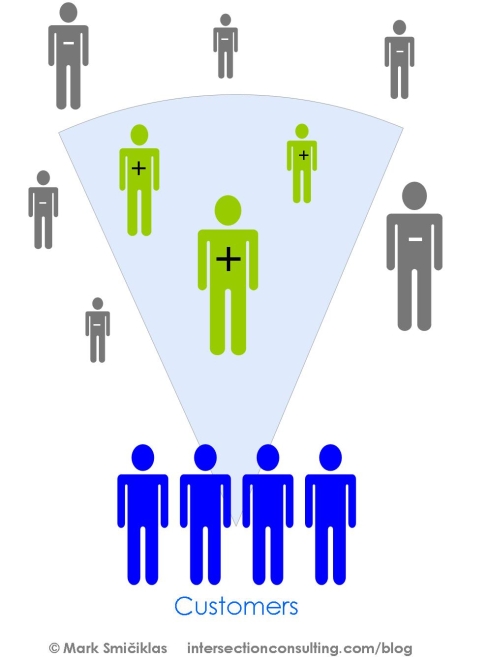 So you’ve a great product, you’ve spent time and money, working tirelessly to make sure that it’s got all the bells and whistles that you think people will love. But how do you know? Does it really reflect what your customers need or want? Both new and established businesses fall into the same trap, thinking: We have a great product, people are going to love it, and we are going to rake in the dough. The main focus is on product development with minimal contact with customers. But not focusing on customers’ needs and wants can break a business. It’s putting the cart before the horse, and unlike in Field of Dreams, if you build it, they won’t necessarily come.
 Have you ever noticed that girls always seem to travel in groups at night?
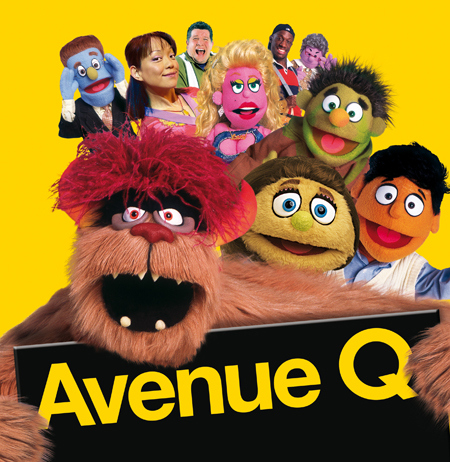 Last semester, I set out to write my senior thesis for American Studies. I’d been inspired by a song from the Broadway musical
  Finding someone to start a venture with you is tough business. Being a newlywed and finding many similarities between this and getting married, I always tend to associate seeking a cofounder with dating. So, I've assembled five tips for you that should help set the mood.
 A few terms in the technology industry are frequently misused and misunderstood:
Sponsors

|
Blog Categories
Monthly archive
September 2013
(3)
August 2013
(1)
July 2013
(2)
June 2013
(4)
May 2013
(4)
April 2013
(5)
March 2013
(4)
February 2013
(5)
January 2013
(5)
December 2012
(2)
November 2012
(2)
October 2012
(5)
September 2012
(7)
August 2012
(8)
July 2012
(7)
June 2012
(8)
May 2012
(10)
April 2012
(9)
March 2012
(7)
February 2012
(11)
January 2012
(8)
December 2011
(7)
November 2011
(7)
October 2011
(10)